California drivers have several traffic law changes to know in 2026.
Some rules affect everyday driving. Others change how cities and state agencies can enforce traffic laws.
The changes cover stopped vehicles, speed limits, red-light cameras, work zones, license plates, electric bikes, and autonomous vehicles.
Drivers do not need to memorize every section of the Vehicle Code. However, knowing the major changes can help prevent tickets and reduce confusion on the road.
Many of the new laws took effect on January 1, 2026. Some rules have different start dates or depend on action by local agencies.
This guide explains the main changes in simple terms. It also explains what California drivers can do to stay prepared.
New California Traffic Laws Drivers Should Know in 2026
The 2026 changes affect several parts of California transportation law.
One of the most important changes expands a rule that drivers already know. California has long required motorists to slow down or move over for certain emergency and service vehicles.
The new rule applies in more situations.
Other laws give agencies more tools to change speed limits or use automated enforcement.
Drivers can find more road safety information in our Transportation & Public Safety section.
California Expanded the Slow Down, Move Over Rule
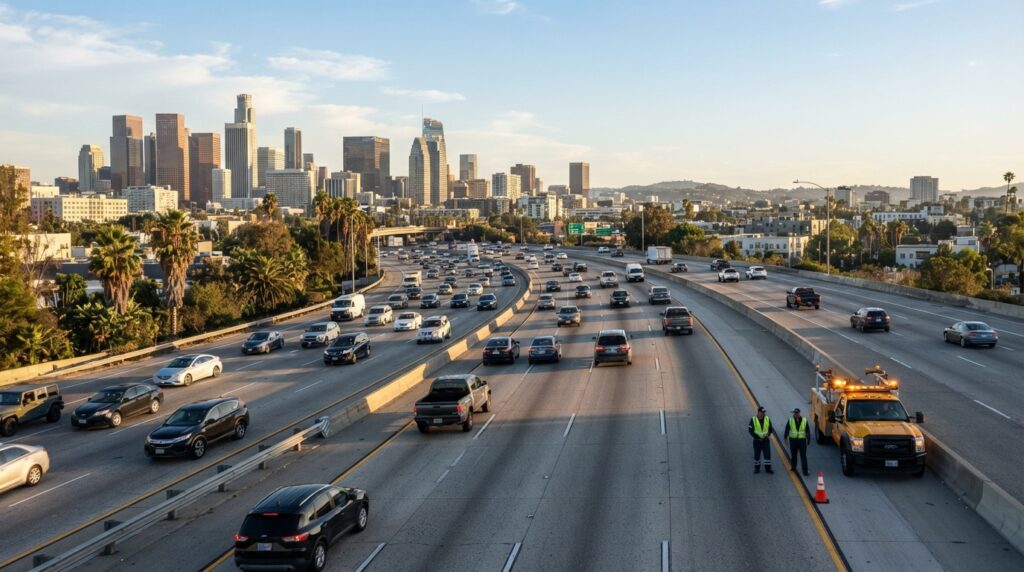
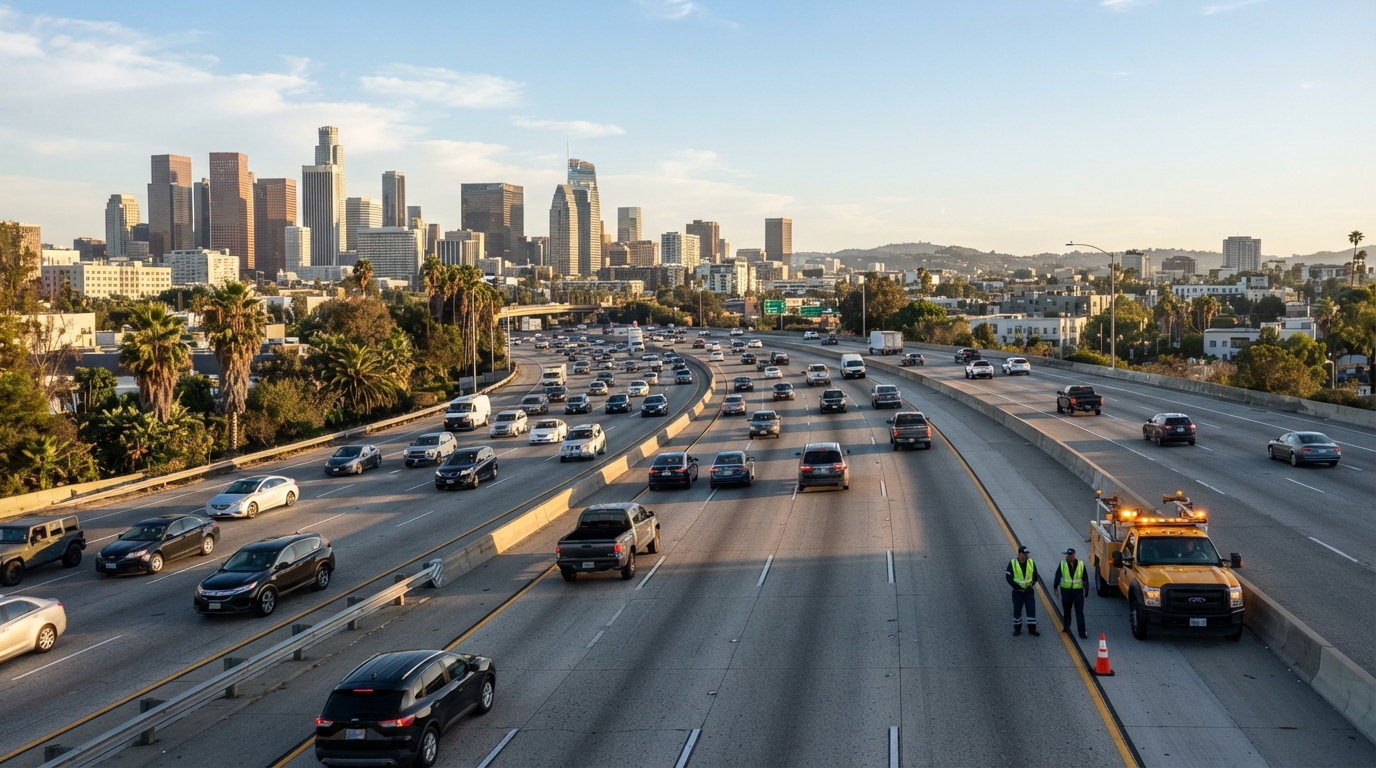
California expanded its Slow Down, Move Over law through AB 390.
The rule now protects more stationary vehicles on or beside a highway.
It includes emergency vehicles and tow trucks. It also covers marked highway maintenance vehicles.
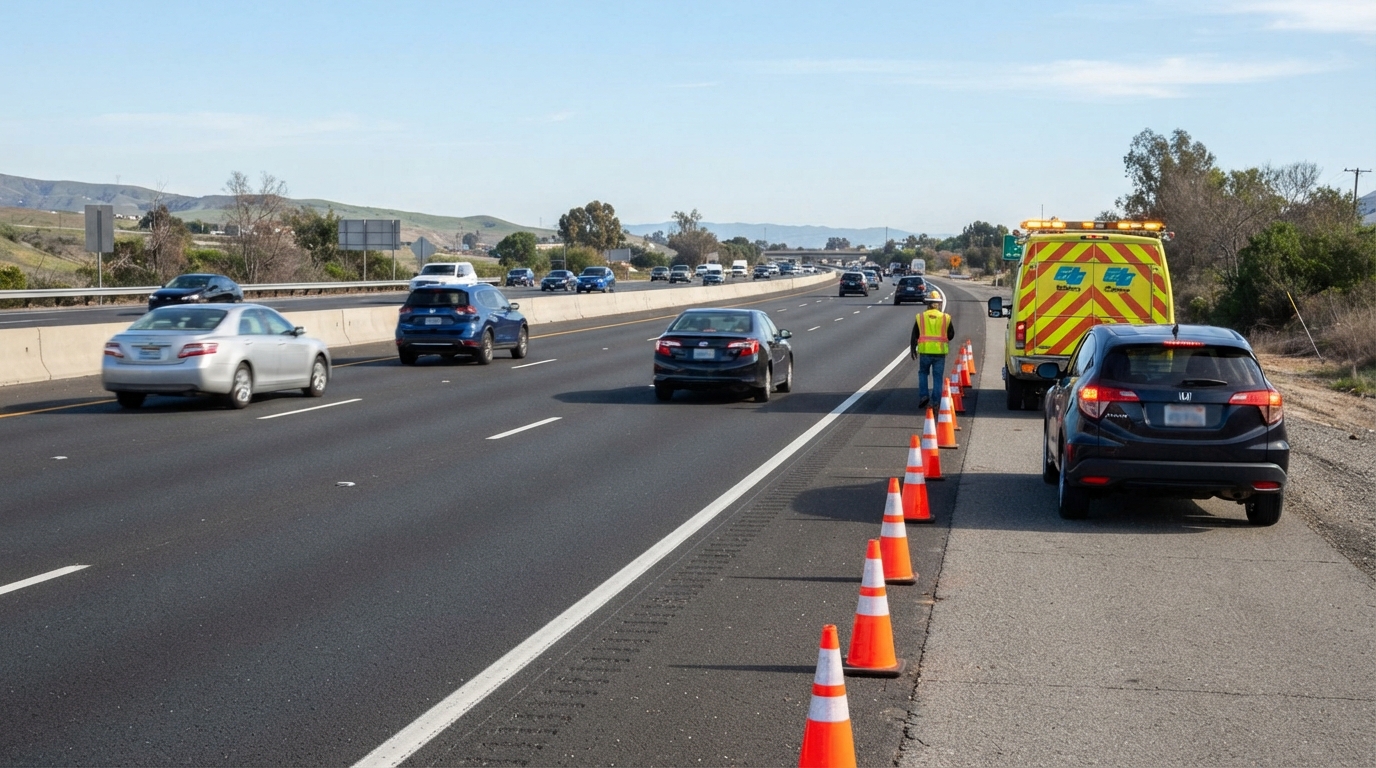
In addition, the law can apply to other stationary vehicles that display flashing hazard lights or another warning device.
Warning devices may include cones, flares, or reflective equipment.
This means drivers should pay close attention whenever they approach a stopped vehicle that clearly warns traffic about its presence.
Move Over When Safe or Reduce Your Speed
When possible, a driver should move into a lane that is not directly next to the stopped vehicle.
However, drivers should not make an unsafe lane change.
If moving over would be unsafe or impractical, the driver should slow to a reasonable and safe speed.
Traffic, weather, road conditions, and nearby pedestrians may affect what is safe.
The purpose of the rule is simple. Give people near stopped vehicles more room.
That can include road workers, tow operators, emergency personnel, or drivers dealing with a disabled vehicle.
Do not make a sudden lane change when you see warning lights.
Check your mirrors first. Signal early. Watch the traffic around you.
If traffic prevents a safe lane change, slow down and pass carefully.
The rule does not require the same action when the stopped vehicle is separated from traffic by a protective physical barrier.
Speed Limit Rules Are Also Changing
California made several changes involving speed limits.
AB 1014 gives the California Department of Transportation additional authority to lower a speed limit by five miles per hour on certain highways.
The law also creates a warning period in certain situations.
When an agency lowers a speed limit under the new authority, officers must issue warning citations for certain violations during the first 30 days.
That warning period applies when a driver exceeds the newly lowered limit by 10 miles per hour or less under the rule.
Drivers should still follow posted signs from the first day of a new limit.
California also changed its school-zone rules.
AB 382 allows local authorities to adopt a 20 mph school-zone speed limit under specified conditions before 2031.
This does not mean every California school zone suddenly changed to 20 mph in 2026.
Drivers should follow the speed shown on posted signs.
Beginning January 1, 2031, the law provides for a broader change from 25 mph to 20 mph in qualifying school zones when the required conditions and signs apply.
Therefore, drivers should not assume that the same school-zone speed applies everywhere.
Automated Enforcement and Vehicle Rules Are Expanding
California also changed how some traffic violations may be detected.
New laws allow certain government agencies to use automated systems in additional situations.
These systems may use cameras, radar, or other technology.
The rules also include procedures for notices, reviews, and appeals.
Drivers should pay attention to official notices instead of ignoring them because a police officer did not personally stop the vehicle.
Automated Traffic Enforcement Has New Uses
SB 720 allows local governments to operate an alternative automated traffic enforcement program for red-light violations.
The law treats violations issued through that program as civil penalties.
The California court system explains that these automated violations do not lead to a driver’s license point under the program.
Local governments must follow specific procedures before and while using the system.
Another law, AB 289, allows Caltrans to establish a work-zone speed safety pilot program.
The program may use fixed or mobile radar or laser systems.
The equipment can detect speeding and capture an image of the vehicle’s license plate.
A notice can then go to the vehicle’s registered owner under the program’s procedures.
Drivers should pay close attention to work-zone signs.
Road workers may stand close to active traffic lanes. Construction can also create narrower lanes, sudden shifts, and reduced stopping distance.
Slow down early rather than braking sharply after entering the work zone.
Keep Your California License Plate Clearly Visible
California also strengthened rules involving devices that hide license plates.
AB 1085 targets products that block or interfere with the visual or electronic reading of a plate.
The law addresses devices used to defeat toll systems, law enforcement cameras, and other electronic readers.
The DMV says the law creates a $1,000 infraction for manufacturing certain plate-obscuring products in California.
Other provisions restrict the sale, installation, or use of certain shades or tints that prevent an electronic system from reading a plate.
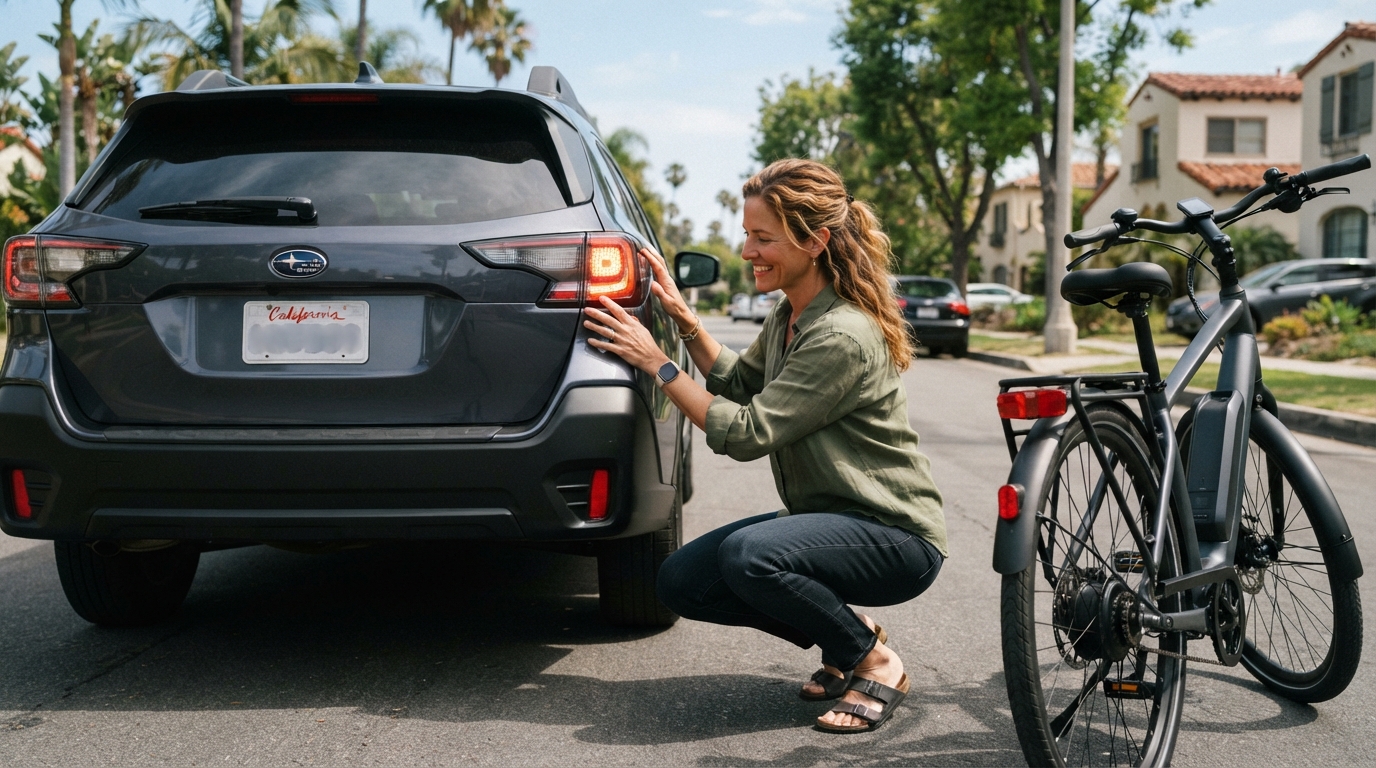
Drivers should keep both plates readable when California law requires them.
Avoid covers or materials designed to hide letters, numbers, or other plate details.
Check your plate after installing a frame or accessory.
The frame should not block information that the law requires to remain visible.
These rules matter more as California uses electronic systems for tolls and some traffic enforcement.
How California Drivers Can Stay Prepared
Most drivers can adjust to the 2026 changes with a few simple habits.
First, watch road signs carefully.
Speed limits can vary by location. Local governments may also adopt rules that do not apply statewide.
Second, create extra space around stopped vehicles.
If you see flashing hazards, cones, flares, or maintenance equipment, prepare to move over or slow down.
Third, make sure your vehicle information is current.
Keep your registration address updated with the DMV. This matters when an agency sends an official notice to the registered owner.
Use a Simple 2026 Road Safety Checklist
Check your vehicle before driving.
Make sure lights, signals, tires, mirrors, and license plates are in proper condition.
Motorists who also use electric bikes should know about new e-bike rules.
Beginning in 2026, California requires electric bicycles to have a red reflector or a solid or flashing red light with a built-in reflector on the rear during all hours of operation.
California also created rules for off-highway electric motorcycles, sometimes called eMotos.
Qualifying eMotos now fall under off-highway motor vehicle rules. This can include helmet and identification requirements.
Drivers may also encounter more autonomous vehicles.
Beginning July 1, 2026, California requires additional features for certain autonomous vehicles that operate without a human driver.
Those requirements focus on interactions with first responders. They include a way for first responders to communicate with the vehicle or its operator system.
For current information about California vehicle laws, visit the California DMV guide to new laws for 2026.
If you receive a citation or automated enforcement notice, read it carefully.
Check the date, location, alleged violation, response deadline, and instructions.
Do not assume every notice uses the same appeal process.
Keep a copy of the notice and any documents you submit.
If a crash occurs, document the scene when it is safe to do so. Exchange required information and report the incident when California law requires it.
Visit our Insurance & Claims section for more information about insurance issues after a vehicle collision.
If a citation or transportation dispute becomes more complex, our Access to Justice section explains how to organize records and find reliable California resources.
California traffic laws will continue to change as road design, vehicle technology, and enforcement systems change.
The best approach is simple.
Follow posted signs. Leave space around stopped vehicles. Keep your vehicle legal and visible. Read official notices. Check the DMV when a new rule affects you.
Those habits can help drivers understand California’s 2026 traffic laws and respond to changes without unnecessary confusion.
Browse the Cali Advocate resource library for more California guides on transportation, consumer rights, insurance, workplace protections, and public safety.